About Us
About Woomera Area School
Woomera Area School is located 447km north of Adelaide, in the heart of South Australia’s Far North region. Living in Woomera offers families a unique opportunity to experience life in the outback, all while benefiting from high-quality education.
Due to the small and often changing student cohorts, particularly in our Defence-connected community, NAPLAN data is typically not reflective of our current students. However, we take pride in showcasing the individual growth of each student through tailored data and personal progress tracking.
Our school enjoys a close-knit relationship between staff, students, and their families, fostering an environment where parents and caregivers are regularly engaged in school activities. As a predominantly Defence town, Woomera experiences a transient population, with families typically staying for two to three years. This creates a tight, supportive community where students can thrive academically in a nurturing setting.
The school is equipped with modern, state-of-the-art facilities that support all aspects of the curriculum. These include a large gymnasium, spacious classrooms with interactive whiteboards, a Science Lab, Home Economics facilities, Visual Arts rooms, and an extensive Community Library.
With a smaller student population, we can provide personalized learning plans for each student, allowing teachers and families to collaborate in setting clear, achievable goals. Our students and their families are actively involved in the learning process, with a strong emphasis on developing SMART goals.
In the early years, we focus on the Read Write Inc. program to build student confidence in reading and writing, laying the foundation for success across all subjects. Our school also places a strong emphasis on STEAM, providing students of all ages with hands-on experiences using 3D printers, a laser cutter, and working in the kitchen garden.
For our senior students, we offer a range of Vocational Education and Training (VET) options, ensuring they have access to the same career pathways as their peers in less rural areas, while still in school.
Enrolment
When your child can start preschool
Your child is entitled to access 4 terms (1 year) of government preschool in the year before they start school.
We are introducing a mid-year intake into preschool. This means from 2023 children who turn 4:
- before May 1st are eligible to start preschool at the beginning of the year.
- on May 1st to October 31st can start preschool at the mid-year intake; the beginning of term 3 of that year.
Regardless of whether your child starts at the beginning of the year, or through a mid-year intake they will undertake 4 terms of preschool.
If your child turns 4 after 31 October they can start preschool at the beginning of the following year.
If you are uncertain about the best time for your child to start preschool or feel your child may benefit from starting preschool later, please talk to us about your options.
If your child is Aboriginal or under guardianship (in care) they are eligible for 12 hours of preschool after they turn 3. They will then be eligible for 15 hours per week of preschool in the year before they start school.
Early entry
If you have a child with disability or additional needs, they might be able to start preschool earlier if there are places available. Talk to us if this applies to you. Being given early entry to preschool does not guarantee early entry to school.
Enrolling your child
You can register your interest to enrol your child with us by using the preschool registration of interest form. This form is also available from us. You can do this at any time during the year.
Starting school
Government schools have 1 intake per year for children starting primary school (the first year is known as reception) in term 1.
A child who turns 5 years of age before 1 May, can start primary school at the beginning of the year. A child who turns 5 years of age on or after 1 May, can start primary school the next school year.
A child must be enrolled at a school by their sixth birthday. It is recommended a child who will turn 6 years of age during the school year start school on the first day of term 1 of that school year.
From 2024, there will be two major intakes for children enrolling in primary school (reception)- intake 1 for children stating at the beginning of the year (term 1), and intake 2 for children starting mid-year (term 3).
Woomera’s History: 1947 to Present Day
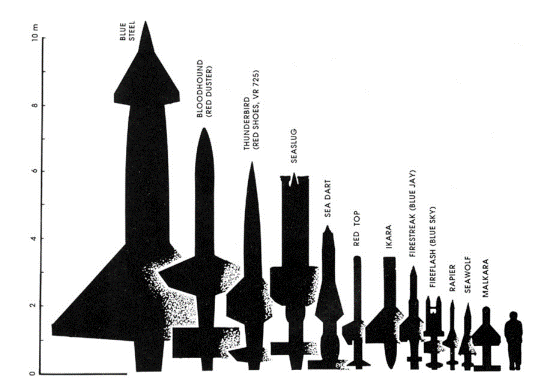
The Woomera Range Complex, originally known as the Woomera Rocket Range, was established in 1947. It served as a key testing ground for the Anglo-Australian Joint Project, which operated until 1980. From the 1950s onward, both British and Australian missiles, along with other weaponry, were tested at Woomera. Notable examples include the British Bloodhound, Thunderbird, and SeaSlug missiles, as well as Australia’s Malkara and Ikara missiles. The development of the Jindivik remote-controlled target drone, among other Australian innovations, played a significant role in supporting these missile testing programs.
Space-related activities at Woomera began in 1957, during the International Geophysical Year (1957-58), an 18-month period dedicated to global scientific research. Australian-managed American space tracking stations were set up, and several space programs were launched, including the British Skylark sub-orbital sounding rocket program and various Australian projects such as Long Tom, HAD, and Kookaburra. In 1958, the UK’s Black Knight defence research sounding rocket was launched, followed by other defence rockets like Jabiru and Falstaff.
Throughout the 1960s, Woomera’s tracking stations at Red Lake and Island Lagoon supported NASA’s human spaceflight and deep space missions. Between 1964 and 1970, the European Launcher Development Organisation (ELDO) conducted test launches of its Europa satellite launch vehicle. On November 29, 1967, Australia made history by launching its first satellite, WRESAT (Weapons Research Establishment Satellite), making Australia one of the first countries to launch its own satellite. In 1971, Britain’s Prospero satellite was also launched from Woomera as part of the Black Arrow rocket project.
The US-Australian Joint Defence Facility Nurrungar, which operated from 1970 to 1999, played a vital role during the Cold War, particularly in early warning systems and nuclear detonation detection, helping to prevent surprise attacks or accidental nuclear conflict.
After the Joint Project concluded in 1980, Woomera saw a period of underutilization. However, in the 2000s, the facility underwent significant refurbishment and revitalization. In 2013, it was officially renamed the Woomera Range Complex (WRC). Today, under the management of the Royal Australian Air Force (RAAF), Woomera is one of the most advanced and sophisticated defence testing facilities in the world.

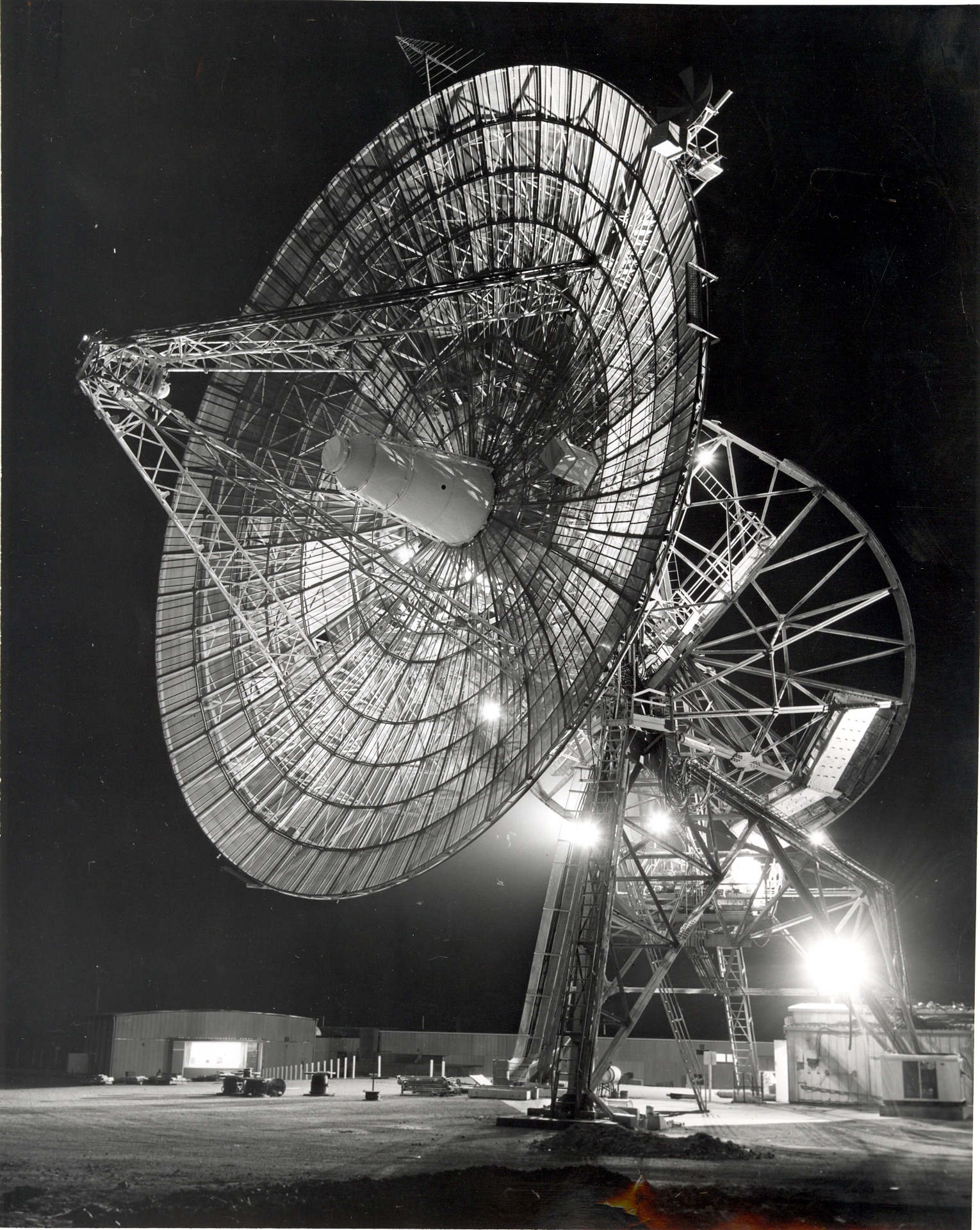
The first shows the Australian-managed NASA tracking station at Island Lagoon, which tracked many early deep space exploration missions, including Mariner-2, the world’s first successful interplanetary probe, which provided important data about Venus.
The second image shows the launch of Australia’s first satellite WRESAT. The fully Australian-designed and built satellite was launched using a donated rocket from a defence research program at Woomera. WRESAT’s launch, in November 1967, made Australia one of the earliest nations to launch its own satellite.